This is the extended version of the exclusive interview with New Mexico Senator Peter Wirth, originally featured in New Mexico Wild’s fall/winter 2026 newsletter.
Executive Director Mark Allison and Rivers and Waters Program Director Tricia Snyder sat down with Senator Peter Wirth to talk about history, public service, leadership, policy, and backpacking. Peter Wirth is a Democratic state senator representing District 25 in Santa Fe, New Mexico, where he has served since 2009. He currently holds the position of Senate Majority Leader, a role he’s held since 2017. In June 2026, Wirth announced he will not seek reelection in 2028 and will also step down from his majority leader post ahead of the 2027 legislative session, capping 22 impactful years in the New Mexico Legislature.
Allison:
Thank you very much Peter for making time to talk with us today. We’re looking forward to the conversation and so will just jump in. You come from an illustrious family on both sides dating back generations – can you tell our readers a bit about your background.
Wirth: So, interesting New Mexico history, my grandfather on my mom’s side came to Santa Fe in 1920 with tuberculosis and this is one of the places you came to dry out. Where the Carmelites are up off of Camino Monte Sol was the sanitarium, where he came and was cured of tuberculosis and went on to become a very prominent architect. John Gaw Meem, who did the whole southwestern style.
And then on my dad’s side, my dad was born in Dawson, New Mexico which is now a ghost town and my grandfather, his dad, was up at the Los Alamos Ranch School as a camp counselor and math teacher before the war. And Oppenheimer went to that school, which is where he found that beautiful place and that’s why the whole Manhattan Project came there. And so, kind of a fascinating history at the ranch school, and then real tragedy because my grandfather got testicular cancer when my dad was six and Uncle Tim was two and he died and then they all got displaced and they went back up to Colorado.
My Uncle Tim went on and ran for Congress from Colorado. He was one of the Watergate babies in 1974 and defeated a five-term Republican Congressman. He ended up serving six terms in the U.S. Congress. He then ran for U.S. Senate and I actually met my wife, Carol, working on his campaign.
He served one term and then decided he’d had enough. So, he got out in his early 50s, which is interesting, puts it all in perspective, but a real public service side to what he did in Congress.
Allison: What got you thinking about public service and running for elected office? Was your uncle Tim serving in Congress an inspiration?
Wirth: Certainly as a young person growing up and having somebody serving in a federal congressional seat was something you kind of were eyes wide open about. So, I did have kind of a sense of what he did and then worked in politics right out of undergrad at Stanford. I worked on his Senate campaign and organized college students in Colorado back in 1986. Then I was here in Santa Fe and Carol and I were raising a family, practicing law, and didn’t have any plan to pursue public office but I think I always had a side committed to public service. I’d done a lot of work with nonprofits and served chair of the board of a variety of nonprofits. Right before I ran, I was the chair of the board of the Santa Fe Children’s Museum. And so deciding to run was really about kind of a continuation of public service. And to be totally honest, I probably didn’t fully think it through. And I certainly didn’t fully understand what I was getting myself into, back in 2004, when Max Coll, who was the sitting State Representative, and who was the Chair of the House Appropriations and Finance Committee – so a very powerful member who’d been in the seat for 28 years -decided not to run. Without a whole bunch of thought, I was, all of a sudden, in a five-way Democratic primary and went out on my bike every day after work at the law office and met a ton of people and won, and that’s how it all started.
Allison: That’s great. And your wife, Carol, has a history of public service.
Wirth: Carol just finished two terms on the Santa Fe City Council and did a lot of really good work there, including on water issues. Santa Fe’s really been a leader on water conservation and Carol was instrumental in chairing the Water Conservation Committee. So, we had an eight-year period when I was a majority leader and she was sitting on city council, so it was complete and total insanity.
Allison: A lot of late nights, I bet.
Wirth: Yeah, a lot of late nights. But for both of us to be in a position where you’re able to talk through some of the challenges we face – so much of this is navigating through the quagmire of the day and how do you get yourself out of something. It’s certainly helpful to have someone you can talk to who’s also in public service.
Allison: She’s been a real leader, and it’s been great to work with her, too. Speaking of getting yourself out of something, you’ve announced recently that you’re not going to run for leadership again and that you’re not going to run for re-election in 2028. You’ve done such great work, you’re at the top of your game, a young man – can you walk us through your thinking process about that decision?
Wirth: I’ve been in the legislature for 22 years. I served two terms and six months in the House and I’m in my fifth term in the Senate. So, in two years, I would have had to run again for a sixth term. And I just came to the point and decided that it was a good time to transition. And we need to do a better job of lifting up the new leaders. I’ve been the majority leader for 10 years. My Chief of Staff calls them “dog years,” which I think is an interesting way to think about it. Because it’s a tough job and it’s an incredibly stressful one. You’ve got to make spot decisions and sometimes you’re right on the edge of things completely going off the cliff.
I feel like I’ve done it well, but you want to depart at the right time. I’d much rather go out on the top than stay too long. When I made the decision not to run for another term, it just felt like the last two years, rather than be a lame duck, especially given that we have a new Governor coming in, we’re going to have a new Lieutenant Governor — and Lieutenant Governor is a really important role with the Senate Majority Leader because we run the floor [of the senate]. I just felt it was better for me to step aside and then be here to help the new leader navigate and figure it out, something I did not have 10 years ago when I was elected.
Allison: “Here you go.”
Wirth: That’s right, it was “here you go,” and that was the year [2017] the Governor vetoed the whole legislative branch of government. We were out of money. We were writing bad checks. It was absolute chaos, and very different than where we’ve been more recently. So, the eight years under Governor Lujan Grisham have been extraordinary.
And when you’re here as long as I’ve been here, you realize that there are windows when you can do things. I felt that for me being leader is not just about keeping the train on the tracks. It also was an opportunity to push agenda items that carry bills. Sometimes leaders do it differently. Some don’t want to carry legislation because it’s hard to get legislation passed when you’re over in the other chamber, and of course, you control all the bills over here. And so, “oh, sure, we’ll pass your bill if you take care of this.” And I just never played that way. But I did feel it was important to continue to push and get some big things through, and thank goodness we did, especially with the current federal administration and environmental rollbacks. On clean air, hazardous waste, and water, we’ve been able to do things to allow New Mexico to set the direction we’re going and moving forward instead of being stuck to a federal standard as it gets rolled back. Those are bills I’m super proud of and happy that we got through, and it really was the little window we had.
Snyder: That a great segue – you’ve been such a champion for New Mexico’s lands and water and wildlife over your entire career. Would say a little bit more about some of your notable successes; what you learned from them? What was most exciting for you?
Wirth: I think the interesting thing has been to watch the evolution of how the conservation and environmental advocacy has changed in the time I’ve been here. When I first showed up, I can distinctly remember advocates for the Farm and Ranch, just kind of, “oh God here’s the environmentalists, you know, we’re all going to sit at our own table” and over the time I’ve been here, I think we have done a much better job of being willing to sit around the same table and have the kind of conversations that are needed that result in the legislation we’ve gotten passed.
The water bill we did last year, Senate Bill 21, I don’t think we had a single Republican vote at the end of the day. But we had Republican senators carrying amendments to the bill that we had negotiated on the floor. So actually, our expert from NMED was sitting on our side, then switched sides to be able to answer questions on the other side. So it was an example of not trying to sledgehammer something through but rather sitting down and shaping and modifying and ending up with something that’s not perfect, but it is an incredibly important step forward with respect to water quality, primacy, and, of course, after the Sackett decision, we had the narrowest window. And so, again, that’s an example where we didn’t get Republican votes, but we had Republicans who negotiated amendments that helped keep the temperature down and allowed us to get it through.
What is SB 21? Senate Bill 21 was introduced in the New Mexico state legislature in 2025. Rollbacks to federal clean water protections have resulted in 95% of New Mexico’s waterways and 88% of wetlands losing protections under the Clean Water Act. SB 21 provided a state framework for protecting these waters and a path to take over federal permitting for those few remaining waterways still federally protected, something 47 states already do. SB21 was sponsored by Senate Majority Leader Wirth and Representative Ortez and Senator Gonzales and was signed into law by Governor Lujan Grisham on April 8, 2025. New Mexico Wild was proud to help lead this effort.
Allison: That surely was a historic piece of legislation.
Wirth: And thanks to you guys. I mean, this is one where, again, advocacy on the outside, advocacy on the inside, understanding when to push, understanding who should be pushing when, it all kind of came together and played out in a way that got it through. So that was a big, big lift and one I’m super proud of.
Snyder: Yeah, it was amazing to work with you on that. We did have a little bit of a heart attack when you triple referred that bill and I think many of us were sort of freaked out about that. But it ended up being such a great choice. Could speak a little bit about why you thought that was important and how it helped support the bill in being passed.
Wirth: This bill kind of had everything in it because it had environmental policy, water policy that needed to be in the Senate Conservation Committee. It had a whole string of legal issues. And we were creating a new program with 60 full-time equivalent employees. So, there’s a big financial piece to it. So, it needed to go to those three committees. It’s true that there’s this sense that the third referral is the kiss of death. But technically, under the Senate rules, Senate Finance isn’t considered a third referral. So, I knew it needed to go to all three, and I think you gain credibility by being fair and doing things the right way and not trying to skirt and jam something through. And I think we took the time in those hearings in each step to answer the questions that were presented.
I’ve been on the Judiciary committee since I’ve been in the Senate, since 2009. It’s very rare that you get a bill where we’re incorporating a whole bunch of federal language. But that was the secret to this legislation – we had to maintain some certainty. And folks had lived with the federal language for all those years until the Sackett decision. So, it was critical to keep that same language. And having those questions addressed in Judiciary were critical.
So it needed the triple referral, and then once we had done that, it had such a thorough vetting in the Senate that I think it made up the passage; we were able to get it to the House without changes. Because one of the hard parts is if you don’t do all the work, and then there’s a whole bunch of changes, and you’ve got to go recreate the whole bill and then you end up in conference committee, and with a bill like this, there’s too many forces trying to divert it. It ended up working great, but yes, it was fun meeting with all the advocates beforehand and letting them know that’s what I was thinking.
Allison: I wonder if it hadn’t worked out if the tone of your question Tricia would have been different? [laughing]
Wirth: That’s exactly right. [also laughing]
Snyder: I learned a lot. It was an honor to work with you on that bill.
Allison: When you were talking about your decision to step down and not run again, it’s hard to give up power and we don’t see that modeled very much and I have a lot of respect for that. You talked about cultivating the next generation of elected officials – but as you said, serving can be hard, it’s extra work, we have a citizen legislature and it’s stressful -can you talk about why somebody might consider going into public service and the good parts of it?
Wirth: It’s an incredible honor to be able to serve, to be the voice for, in the Senate case, 50,000 individuals who are trusting you to be up there and making these hard decisions. When it’s good, it’s amazing. We just talked about an example of something that needed to happen that was complicated, that was a big lift. And that, I think, was kind of the culmination of all those years of understanding the process, relationships that got us where we are. And when you walk out the door and realize “okay, that’s going to really make a difference.”
For me, I didn’t do this with a plan to run for something else. But that’s kind of the definition of public service. And again, we’re still in a citizen legislature form, as you noted. I pushed hard to get the joint resolution across the line to pay legislators. And we’re all going to get to decide that this November. And I think that’s important to make this more accessible. Because it shouldn’t just be for those of us… I mean, I’m lucky. I live in Santa Fe. I’m a lawyer. I was able to shape my practice and do things differently in my practice to be able to serve. But lots of people can’t, and we need every voice here. I’m hopeful that that change is coming. And one other thing I’ll just say about the New Mexico Legislature is that it’s different than this kind of insanity we’re seeing at the federal level, where it has just become warfare and social media, who can pound the other harder. I still think we’re able in New Mexico to have those kinds of relationships and dialogues across the aisle the way it used to be and I’ve really tried hard in my 10 years as leader to continue those relationships that were started by my predecessor and then the different minority leaders I’ve served with. Senator Sharer and I are very different people from very different districts, but in his two years as the minority I think he’s recognized the power that comes when you actually do sit down and work together. And that’s something that I’ve had constituents at town halls stand up and say, “hey, it is so important just to watch how it’s working over there, because that’s just not happening that much anymore.” And so our democracy depends on it. People stepping up. And, for me, it’s been an incredible honor to do it.
Snyder: I’d like to ask about the citizen legislature. New Mexico is just an interesting, unique place in the access that we have to our legislators. I have also worked in Washington State, and it’s totally different. But it can still be daunting for folks to know how to reach their legislators and how to have an impact. Do you have thoughts for our readers about the ways that they can reach their legislators and have an impact on advocacy?
Wirth: It’s something I’ve talked to my constituents about, and also the League of Women Voters a lot about over the years, kind of how do you access this place? And I’ll be the first to say, before I was over here, I can remember as the president of the Children’s Museum Board trying to come over and find some money in 2004, right before I ran, and walking out of here going, “I don’t have a clue,” and didn’t get the money. And so, it can be hard.
Having said that, it is incredibly accessible, and I always like to say you can walk right down on the Senate floor before we gavel in and come see me. And certainly, the lobbyists have all figured that out. And so, those relationships are important, both for those that are here advocating, whether you’re doing it as a citizen or part of a group, just getting to know who your legislator is. Understanding the strategic power of testimony and how to do it so that it’s targeted. And one of the things that’s really easy to do is you come over here and think you’ve got to convince every single person on a committee about a certain bill and get completely wrapped up and not understanding that you just need enough votes to move the bill to the next step. And your targeting advocacy for someone’s vote who you don’t really need may mean that you’re not making the exact right argument to the person that does need to hear it.
And understanding that having my Santa Fe constituents, for example, talking to the senator from Deming is not the most effective way to get the senator from Deming to move on an issue. I think what I’ve really tried to do over the years working with advocacy groups to move big legislation is to be strategic about it. And when a group goes and gets their members from Deming to talk to the Deming senator, all of a sudden it’s a whole different discussion. So, it is accessible, but the session is very short, compact…that’s what’s hard about it. And ultimately, I think that needs to change. I think there are structural changes over here that need to happen.
Allison: Do you feel like a paid legislature is only a matter of time? Do you think that’s going to happen?
Wirth: It’s up to the voters. And it should happen. I really think that people are shocked when they find out we don’t get a salary. I mean, we do get a per diem for being here. There is a retirement, somewhat controversial. Again, I think it’s up to the voters, and we’ll see.
Allison: And the argument that not paying legislators limits service to those who have the job flexibility or the means to do it. I also think there’s confusion that legislators only work during the session. But actually there are working interim committees and constituent services throughout the year.
Wirth: That’s right.
The Senate has changed dramatically in the 20 years I’ve been here — the number of women who’ve come in, younger folks, much more diversity. That is a glorious thing. I feel like it strengthens our process to have different kinds of voices. And that’s how it should work. But realistically, for someone who’s not from Santa Fe, it gets really tough to do this, and only a small number of people can do that.
Allison: Could talk a little bit more about what New Mexico Wild and groups like ours are doing well and things that we could be doing better? We want to be good partners and effective. And our job is also to hold elected officials to account at times. So there’s an inherent tension there. How do you and your colleagues view advocacy groups like ours?
Wirth: I think that the role of the NGO is incredibly important when you have a citizen legislature. Go back to Senate Bill 21 – an incredibly complex bill. We have a state agency certainly providing information but just having the capacity and support from different NGOs able to answer questions and to help build support. There’s just no way that I as the sponsor was able to be in every meeting and covering those was critical. I think working in partnership, that’s really the message, is that when you can figure out how to work in partnership to strategically move legislation when it’s the right time to do it, that’s the key.
And realizing that when you’ve got the window, you’ve got to go. And if it’s not there, you have to recognize that that’s the process and chalk it up to moving on to the next session and what lessons did we learn and what boxes did we check as we move forward.
Things normally take time. That’s the other message. We’ve been on an incredible roll for the last eight years, looking at some of the different land and water, conservation bills that have passed. And so, we had this window, we did it. And I think it was through the collaboration where it wasn’t the outside groups trying to tell us what we needed to do. It was kind of the outside groups educating so that we’re in a position to advocate together. And having those constant dialogues where there’s information being exchanged so that as the sponsor you’re not getting blindsided by something that’s coming out of left field. Also for the advocates to understand, “Hey, you guys need to know I was just contacted from the former governor lobbyist of the Pueblo I represent and we have an issue here we’re going to have to work through and you guys are going to need to get in a room and make it happen.”
And accountability is certainly a piece of it. I think that it’s harder and harder to have legislators who are more in the middle and pragmatic and looking at both sides. And so, for groups that obviously have their focus and their issue, they’re going to be looking at one thing, but understand that there may be times when a legislator has taken a vote that’s done for some different reason that’s part of a bigger picture.
Allison: I think groups like ours have been good at beating up legislators when they’re doing something we don’t like but I don’t think we’ve always been good at thanking them publicly when they did things that we do like. I think we’ve gotten much better at that. I don’t know if that’s landing with you, but do you feel that?
Snyder: You’ve talked about the political landscape, and we see so many challenges at the federal level with moving policy, especially around lands, water, and wildlife. And obviously Senate Bill 21 was a big way for the state of New Mexico to step up and backfill some of those protections. What are areas that you think the state can continue in that role? And what do you think or most hope that a new administration would prioritize in this next session?
Wirth: I think we have to continue to be proactive. And unfortunately, we’re reacting constantly to the changes that are coming at us.
The Air and Hazardous Waste Stringency bill was a bill that we passed in 2021. I carried that bill when I first got here in 2005. And it just was crazy to me. Why would we ever not want to have the ability as a state to be able to set our own standards? But there was no way it was going to pass until we had that little window and we were able to drive through and make it happen.
The whole issue of data centers and energy moving forward is going to be front and center. I was proud in the Senate that we were able to pass the bill that would have put microgrids under the Energy Transition Act. That’s the thing as the leader, you are in a position where you can kind of make those calls. “Do we have the votes to put something like that on the floor?” And I just felt it was really important for us to send that signal, even though it didn’t get heard in the House, which was disappointing. That I think is going to be a discussion that’s going to continue.
I think you’re going to see bills to ban data centers, and moratoriums. That may be a direction we need to go. I still think there may be room to have the renewable energy focus like Facebook down in Los Lunas, where the energy is 100% solar. Certainly, figuring out ways to reuse water or using brackish water to do the cooling part of it; closed loop has to be part of it. So, there could be a way to make it work. The challenge is the economic development component of this is huge. But you can’t just kind of throw down everything and let it happen. I think that Project Jupiter is an example of things that have gotten out of control. I’m also concerned because when you’ve got next-door neighbors where they can just roll up a portable gas plant right along the state line of Texas and New Mexico, there’s nothing we can do about that. So we’re in a wildly changing environment.
Allison: What has most surprised you about serving as majority leader and do you have any advice for whomever is next?
Wirth: Yeah, it’s a very lonely position. You’ve got to make lots of decisions on the fly. The Speaker, the Leader, and the Governor, also the Leader in the House and the Pro Tem but looking at trying to set the direction for the whole session. So, it’s multiple levels of strategy. And of course, you don’t really know what you’re getting into until you’re in it. But I think it was helpful to me to have the two years under Republican administration to kind of figure things out when it wasn’t the green light moment. Because the thing about this position is that the decisions you make about committees that a bill goes to, the decisions you make about what gets on the floor, can make or break legislation. And if you make a mistake, something really bad can pass.
It’s very important as the leader to understand where your caucus is. And it’s figuring out how to push, when to push. And then make sure you don’t walk off the cliff. And if you get out in a place where your caucus is not there, you know, that’s not where you ever want to be as the leader. It’s a very diverse group of members. And you’ve got to listen to all those different needs and figure out the balance. And every day we always like to do our day on the floor and then after we’re done, sit down and go, “okay, how did we do today?” And then each day you start over new in the morning because it’s a whole new set of challenges. Lots of relationships, and strategy, but exciting to be right in the middle of what’s happening for our state.
Snyder: This has been sort of a through line through the whole conversation. You’re well known amongst your colleagues and amongst advocates, certainly, for your statesmanship. And I think that’s definitely becoming less the norm in our current political climate. Can you just talk a little bit about how you learned that and also why it’s so important for good governance and leadership?
Wirth: In my law practice, I do a lot of mediation work. It’s a lot of sitting, listening, giving people and groups a forum to be heard and feel like they’ve been treated fairly. When I first got here, one of the lessons that my predecessor, Max Coll, told me is take every bill as its own bill and understand that your enemy on one bill is going to be your co-sponsor on the next. So, the relationships are absolutely critical. I have very good relationships with the members on the minority side. And I oftentimes will be in their conference room talking to them about different pieces and bipartisanship, I think is getting harder and harder. It just doesn’t happen as much anymore, but there’s no better feeling than when you shake things up and you’re sponsoring a bill with a member of the other party that just throws everybody off. I always think that’s kind of when you’ve hit the sweet spot. So, I do think the mediation process to solve all these problems in my lawyer life helps. And then I come over here and I beat my head against the wall with 111 other legislators and a grumpy governor. And we’re doing the same thing at the end of the day. We’re sitting around the table trying to figure out, “hey, can we get this done? What if we do this? What if we move this?”
You know, this place is very good at coming right to the edge of the cliff. And it’s how do you get back on track without creating a complete meltdown. And I’m proud of the fact that in the 10 years that I have been leader, we had a number of times on the floor where you can use the rules where 22 votes can do whatever you want out there. And it used to work that way in the Senate way back in the day. And we never did that during my time. We were close. And I figured out how to pull it back. The fun thing is that our caucus has seen how I’ve done it. I think the Republican leader has seen how it can work. And that’s good for the future. And I’ll be around to watch my old seat in the back row and see it moving forward.
Allison: Last question – I know we share a love of backpacking, and I’m wondering if you’ll have more time for that? What does that look like? Is that a family thing? Talk a little bit about backpacking on public lands.
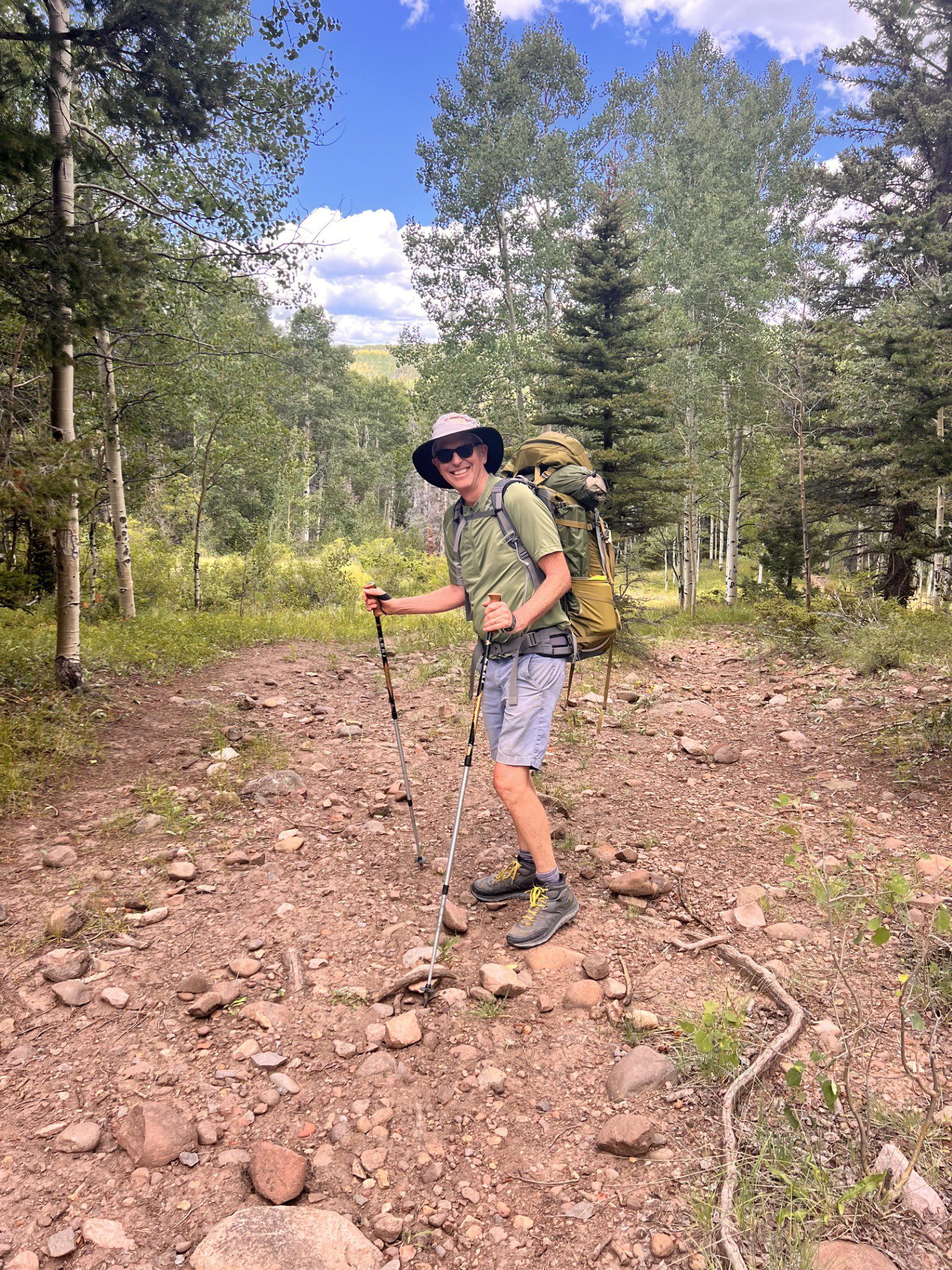
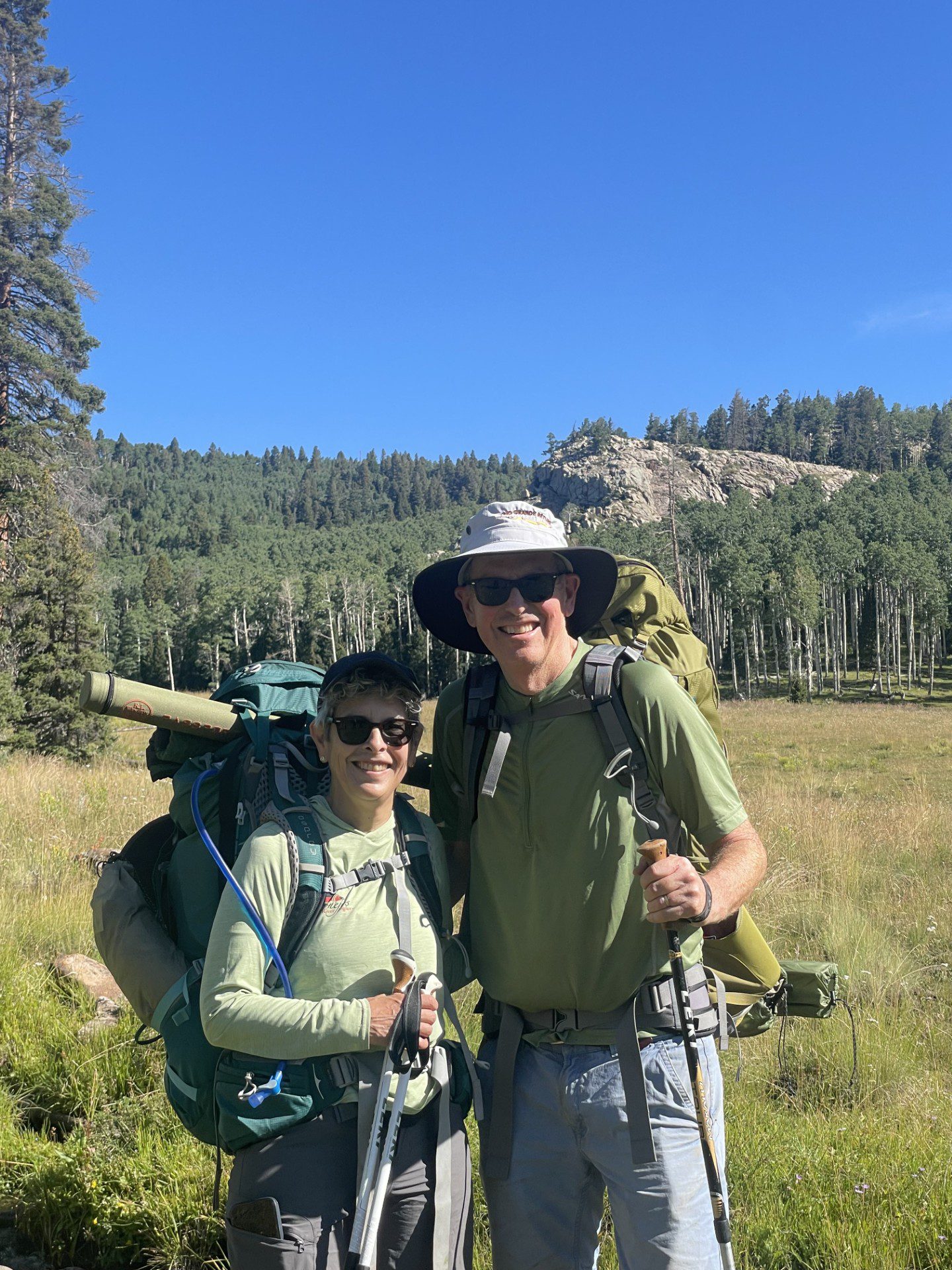
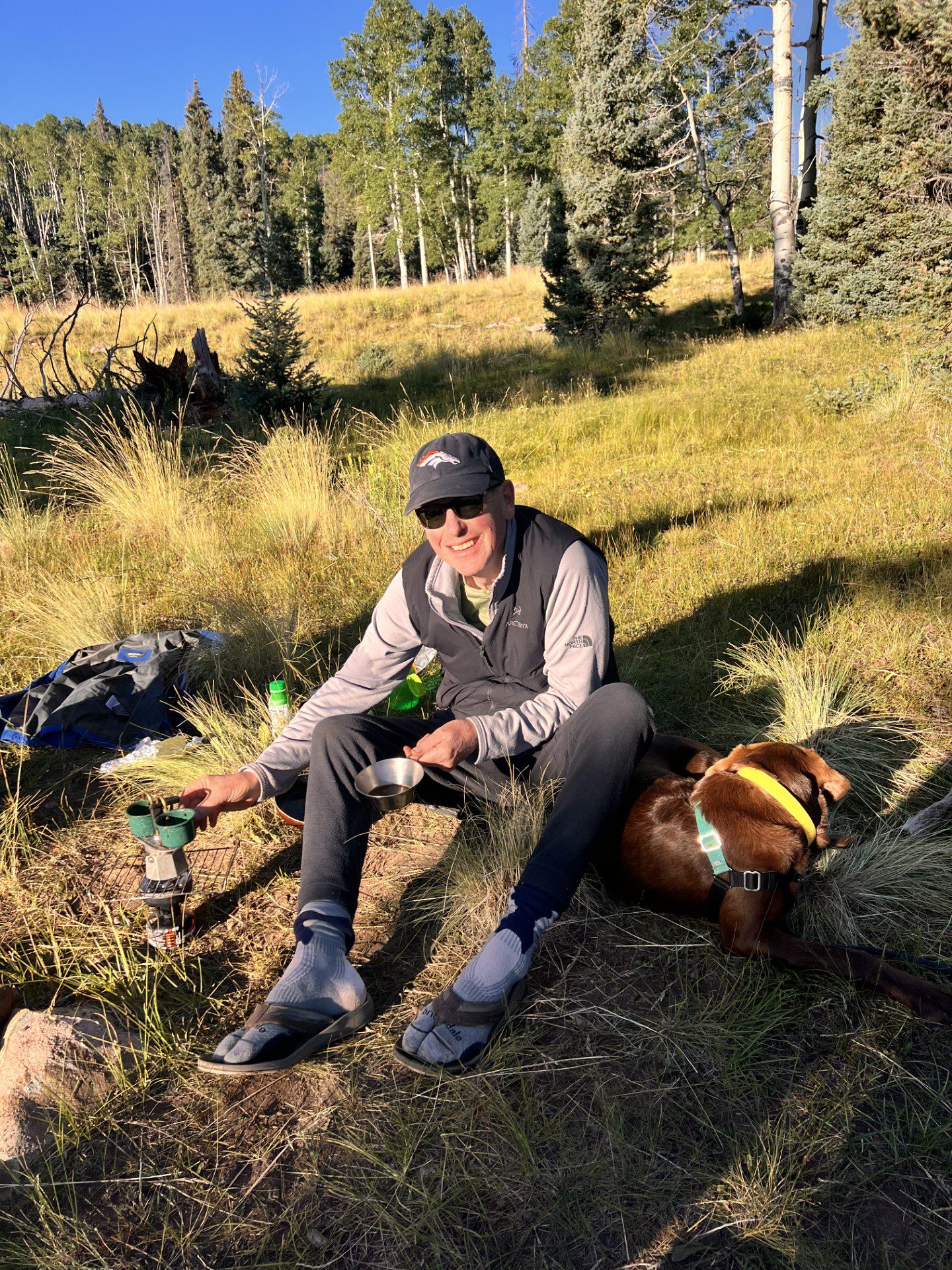
Wirth: Yeah, I can remember as a kid, backpacking up to Lake Catherine with my dad with a rucksack on and hauling up Vienna sausages and sardines and rolling cigarettes. Not me, but he was rolling back in the day (laughing). We really grew up with that as a key piece. And with our kids, it was always something important for us. And we’ve done some really exciting backpacks up into the Cruces Wilderness Basin, which is not well known, in the northern part of the state. We were up there last year with some friends and I don’t think we saw anyone the whole time we were there until we were headed out. But thoshttps://nmwild.org/wp-admin/post-new.phpe experiences – small stream fishing in the middle of gorgeous country with your kids, waking up in the morning and seeing the bear’s head stick over the log in the camp, you know, things you remember forever. Our open space and our public lands are something I cherish and have taught our kids that. We have a new grandson who’s two years old so, hopefully we can get him out there and experience that kind of family history that needs to continue. Making this state a place where that’s an option for future generations is something I really believe in.
Allison: Thank you again for your time and on behalf of the staff and the board and all our members thank you for your leadership and your public service. We’re grateful.
Wirth: Thank you, guys. Super good.